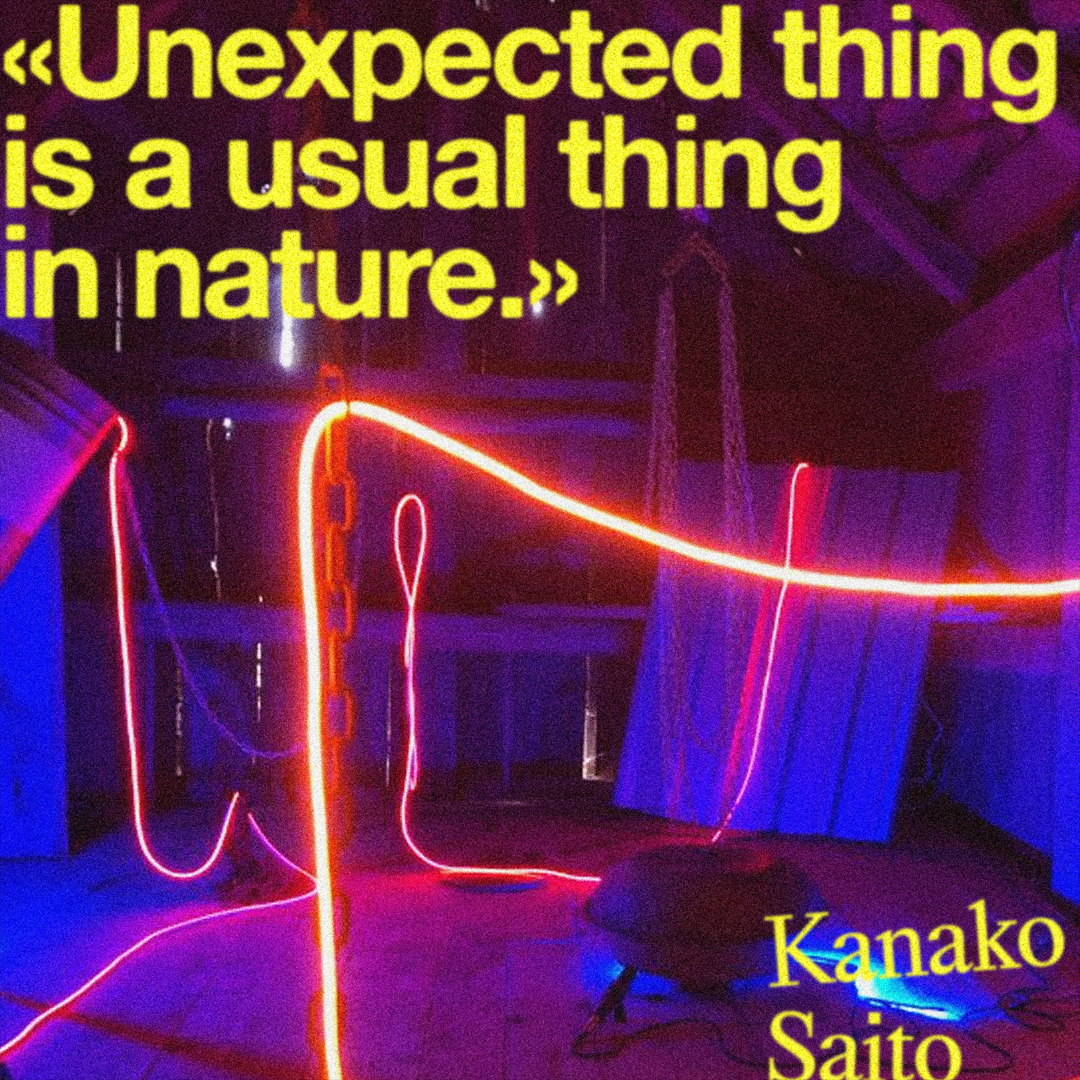
Kanako Saito
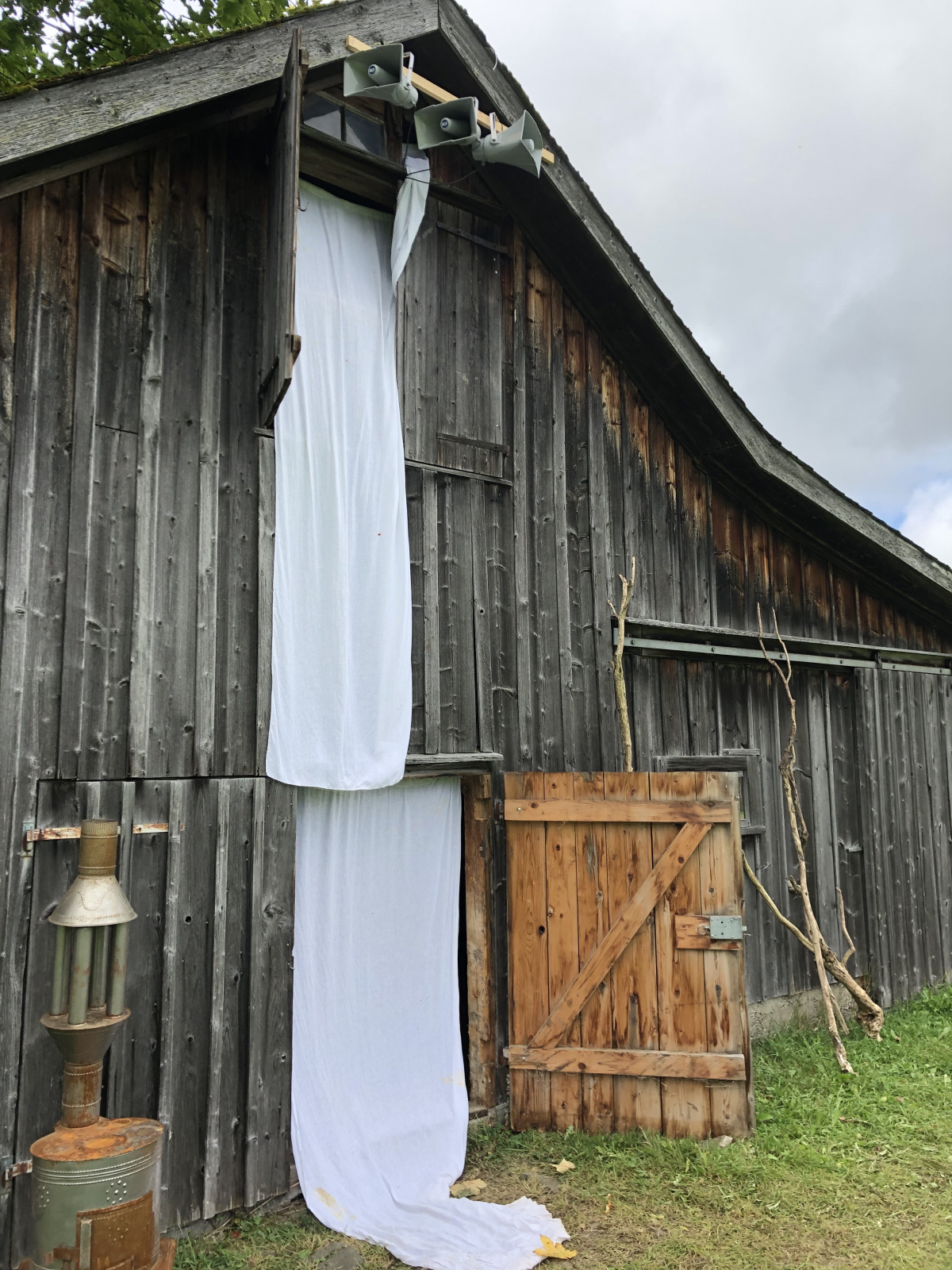
Japanese artist Kanako Saito’s works explore the dualities of control and the uncontrollable, artificial and natural, city and countryside. Creating an installation with objects from the surroundings of Gais, she endeavours to take meaning out of materials and change how they are understood.
Artist Bio
Tokyo-based sound artist Kanako Saito (born 1990) creates kinetic sound installations based on the interplay of light and movement. Her work explores boundaries, laws, and mechanisms of control. In an improvisational process, she creates her installations on-site using light sources, motors, metals, woods, everyday objects, and discarded materials, thus generating a poetic interaction with the space. Saito also performs as an improvisational and noise musician and hosts the internet radio show RKwave as K.
This podcast series presents conversations and sounds from the 2025 edition of the Klang Moor Schopfe Festival. Each episode features one particular work and is an attempt to capture the underlying philosophies and processes of the artists in their own words, set to recordings of the installations and occasional sonic interventions by the author.
The next edition of the Klang Moor Schopfe festival will take place from Sept 2 - 12, 2027.
Sonic Natureculture: Read, listen and watch more from previous editions of Norient at the Klang Moor Schopfe festival.
Biography
Published on September 05, 2026
Last updated on September 09, 2026
Topics
About the micropolitical qualities of sound as a non-conscious experience of intensity.
From instruments made of plastic waste of the ocean to questions about a futurist naturalism which embraces technology for aesthetic emancipation.
What’s the idea behind a traditional brass band from Vienna playing at 5 am in the morning? How does physical presence of artists affect the music they play?
How does the artits’ relationship to the gear affect music? How to make the climate change audible?
From westernized hip hop in Bhutan to the instrumentalization of «lusofonia» by Portuguese cultural politics.
Special
Snap