Vanessà Heer
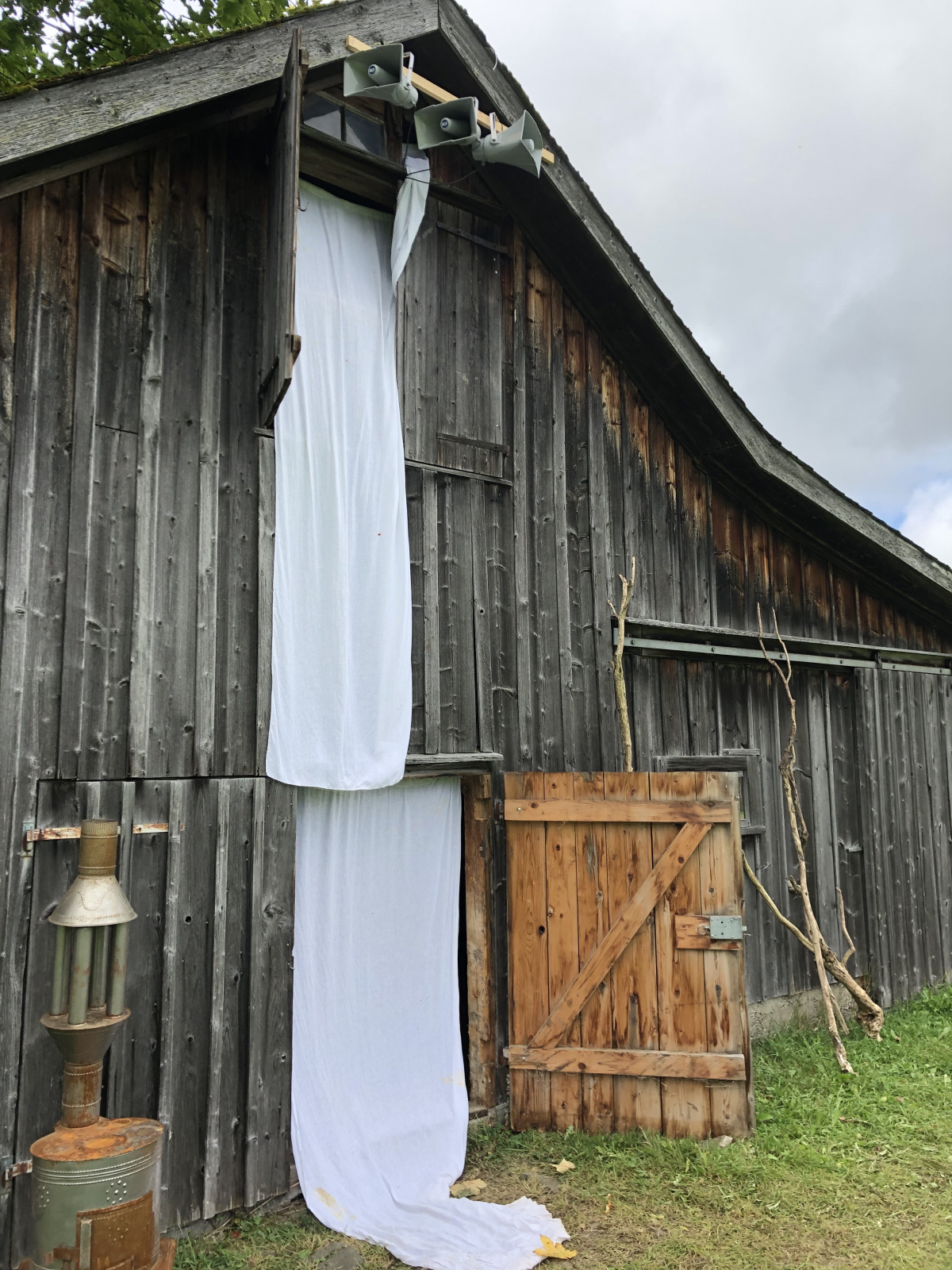
Vanessà Heer brings a revolutionary feminist perspective to the alpsegen, a traditional prayer chanted by herdsmen in the Swiss alps. The reimagined hymn is a tribute to inspirational women, living or dead, a call to be imbued with their spirit and power.
Artist Bio
Vanessà Heer (born 1989), an artist living in Zurich and Trogen, creates interdisciplinary live performances and sound installations. In diverse contexts and collaborations, she explores the political and ethical possibilities of conscious listening. Her work focuses on questions of community, collaboration, the dissolution of authorship, and the challenges of self-precarization. In her immersive sound interventions, she addresses the relationship between individual perception and collective dynamics, examining listener expectations and their social roots.
This podcast series presents conversations and sounds from the 2025 edition of the Klang Moor Schopfe Festival. Each episode features one particular work and is an attempt to capture the underlying philosophies and processes of the artists in their own words, set to recordings of the installations and occasional sonic interventions by the author.
The next edition of the Klang Moor Schopfe festival will take place from Sept 2 - 12, 2027.
Sonic Natureculture: Read, listen and watch more from previous editions of Norient at the Klang Moor Schopfe festival.
Biography
Published on September 05, 2026
Last updated on September 09, 2026
Topics
Why New Yorks’ underground doesn’t give a fuck about Trump or why satirical rap in Pakistan can be life threatening.
Why is a female Black Brazilian MC from a favela frightening the middle class? Is the reggaeton dance «perreo» misogynist or a symbol of female empowerment?
What’s the idea behind a traditional brass band from Vienna playing at 5 am in the morning? How does physical presence of artists affect the music they play?
From Pakistani wrestling practice «kushti» to muezzin singing contests in Turkey.
From westernized hip hop in Bhutan to the instrumentalization of «lusofonia» by Portuguese cultural politics.
