Weaving Memory into Sound
In Leila Bencharnia’s performance Fatema U Trab (Fatima and the Dust), sound is not simply something we hear – it is something that is woven, touched, remembered, and transmitted. Wool, rhythm, gesture, breath, and prayer form a field of sonic material intelligence, where listening becomes a tactile and imaginative act.
Beyond Form and Symbol
The carpet and the loom, matrices of memory and imagination, intertwine in Fatema U Trab (Fatima and the Dust), a work by sound artist Leila Bencharnia, who explores through sound their evocative power and their ability to awaken the imagination and the senses.
The carpet in question is a form of artistic expression that belongs to the Amazigh textile arts of Morocco: centuries-old artistic practices that originated in a feminine, rural, and non-Western context. Rooted in daily labor and environment, these practices generate autonomous forms of abstraction that long predate Western avant-garde experiments.
During this long history, the beginning of the 20th century marked a major moment of change, as imperial domination dismantled historical heritage, artisanal know-how, and traditional practices. By the end of the French protectorate, textile arts were absorbed into ethnographic narratives and colonial, later tourist, economies.
Despite these upheavals, the free and independent production of textile works – carpets – continues. Carried out in the privacy of homes and accompanied by songs and prayers, it integrates memory and emotion through the intelligence of the hand, expressing women’s experiences from the concrete to the abstract and from the individual to the collective.
Visual and Sound Polyrhythms
The space of the carpet, with its repetitions, rhythms, grids, and disseminations, like a page of a manuscript or a musical score, combines two modes of abstraction: ornamental and musical. Its language of signs, deeply meaningful to the artist-craftswomen, links and captures several realities between nature and culture, but is not and never has been intended for interpretation or discursive commentary. Rather, it leads us toward a form of clairvoyance of the invisible and an expanded field of perception involving sight, feeling, and hearing. In this expanded perceptual field, where the senses begin to overlap and shift, the visual no longer functions as the sole point of access. Suspending the visual intermediary also makes room for non-optical materialities that are more elusive and mysterious, which add up, culminate, and intertwine. A multisensory experience, then, where the «touch-see» of the carpet is transformed into sound.
This logic of perception extends directly into the performance itself. In Fatema U Trab, Leila Bencharnia performs with voice, piano, wool, and found materials, working directly with the strings and surfaces of the instrument. Through gestures of striking and brushing, a tactile relationship between body, material, and vibration emerges.
Fatema U Trab explores multiple layers of sound and vocals that are vivid and light, embodied and abstract. Nuance, modulation, and atmosphere alter the imagination and the horizon of thought, producing a vibrant, textured, and grainy soundscape. These stratifications are both the present of a memory trace – actualized in performance – and its past, marking the lingering forms that time can take.

Cosmic Harmonies
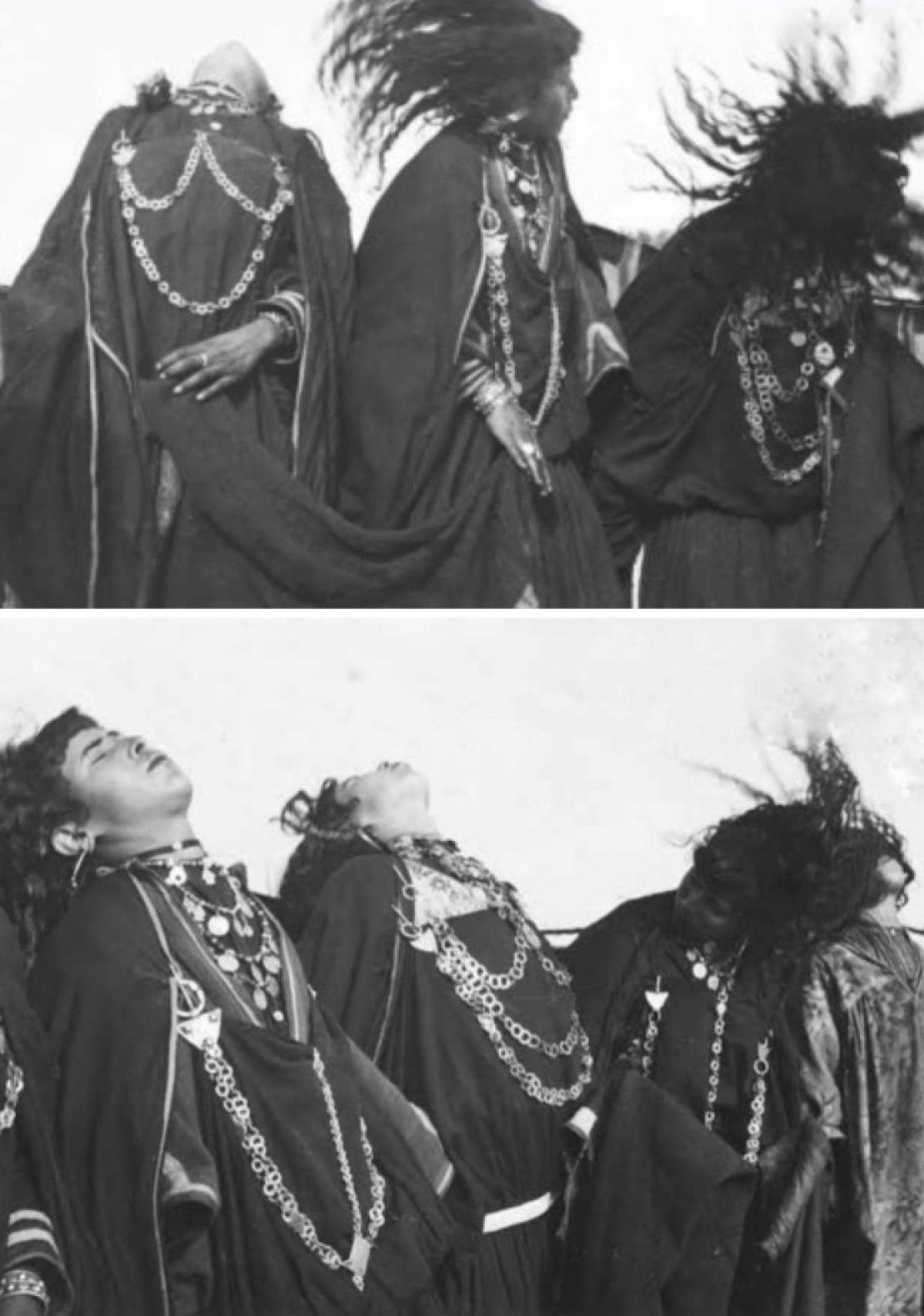
This plurality of time unfolds as a polyrhythm, making perceptible the resonances between social, ritual, poetic, and musical rhythms. By translating the structure of the carpet – its threads, knots, and weaves – into sound and movement, Fatema U Trab draws on incantatory songs, trance, and ritual practices to shape a soundscape that opens connections between body, memory, and the invisible.
African fractal mathematics and the Amazigh alphabet are other models of composition that the artist uses to open up new spaces for notation and to challenge the knowledge forged by the rules of classical music education. Leila Bencharnia promotes an approach to music that is not based on a logic of notes, but on raw sound material and improvised gestures.
For the Ultima Festival 2025, this approach took the form of a spontaneous and tactile relationship with the piano: the artist intervened directly by striking and brushing the strings of the instrument, questioning the status, functioning, and musical hierarchies the piano represents.
This approach is associated with ethical and artistic questions around the creative act, in which issues of unlearning are recurrent. It reflects the artist’s need to deconstruct imposed compartmentalization and to explore embodied, non-bookish forms of transmission, often sustained and activated by women within their communities.
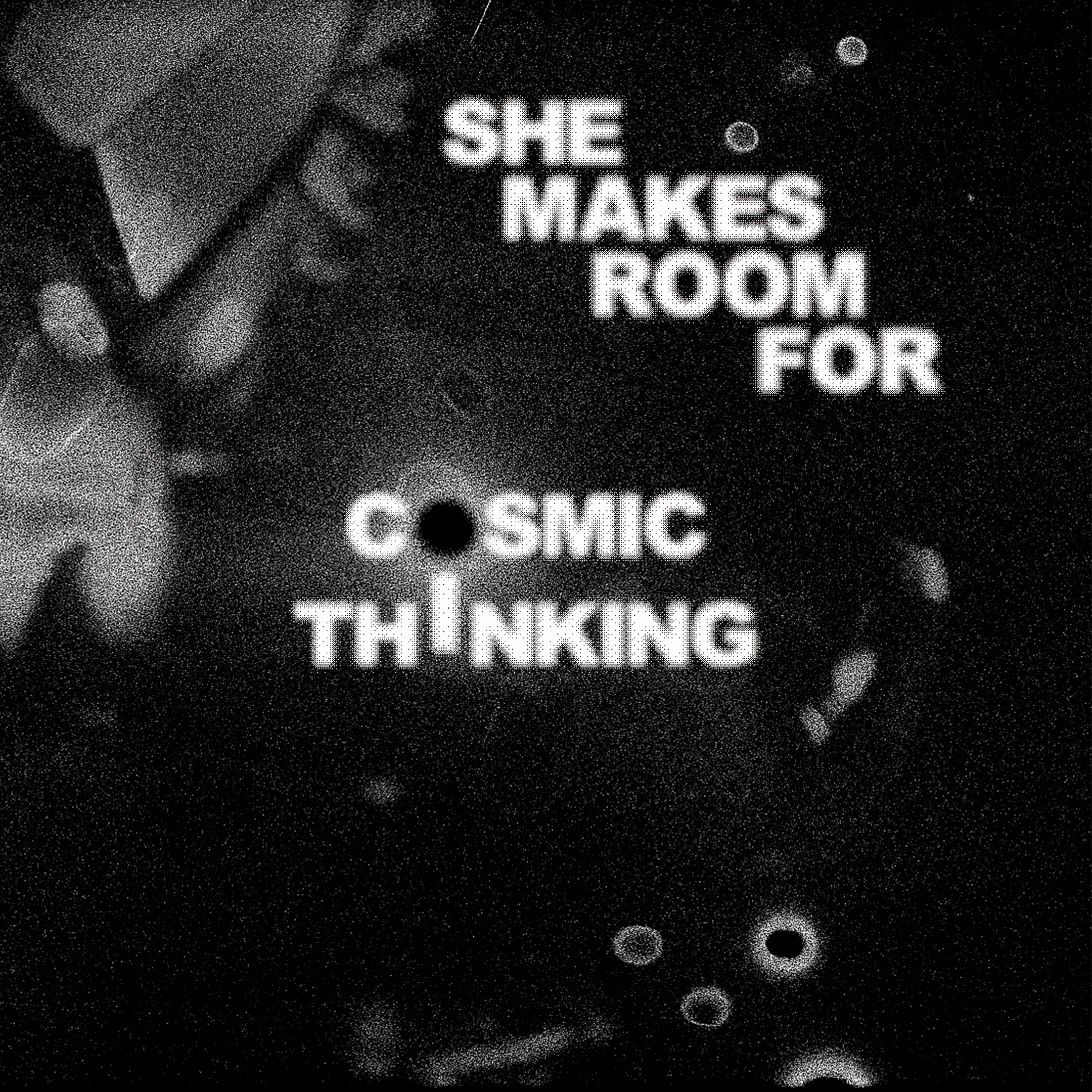
Because it draws on gesture, material practices, incantatory chants, trance states, and sacred environments, Fatema U Trab offers a soundscape woven from multiple textile and musical intelligences. In doing so, she makes room for cosmic thinking, that of the «great All» where music, body, energy, objects, gestures, instruments, and the experience of time connect and respond to each other in a unified field of perceptions.
Biography
Published on March 19, 2026
Last updated on March 24, 2026
Topics
From Beyoncés colonial stagings in mainstream pop to the ethical problems of Western people «documenting» non-Western cultures.
From westernized hip hop in Bhutan to the instrumentalization of «lusofonia» by Portuguese cultural politics.
Music and art that dealing with the unfinished and undefined.
From afrofuturist parallel worlds to decoding strategies of emancipatory sounds: Examinations of music striving for a life worth living.
Special
Snap